Courses · Core program
Youth Intervention Program
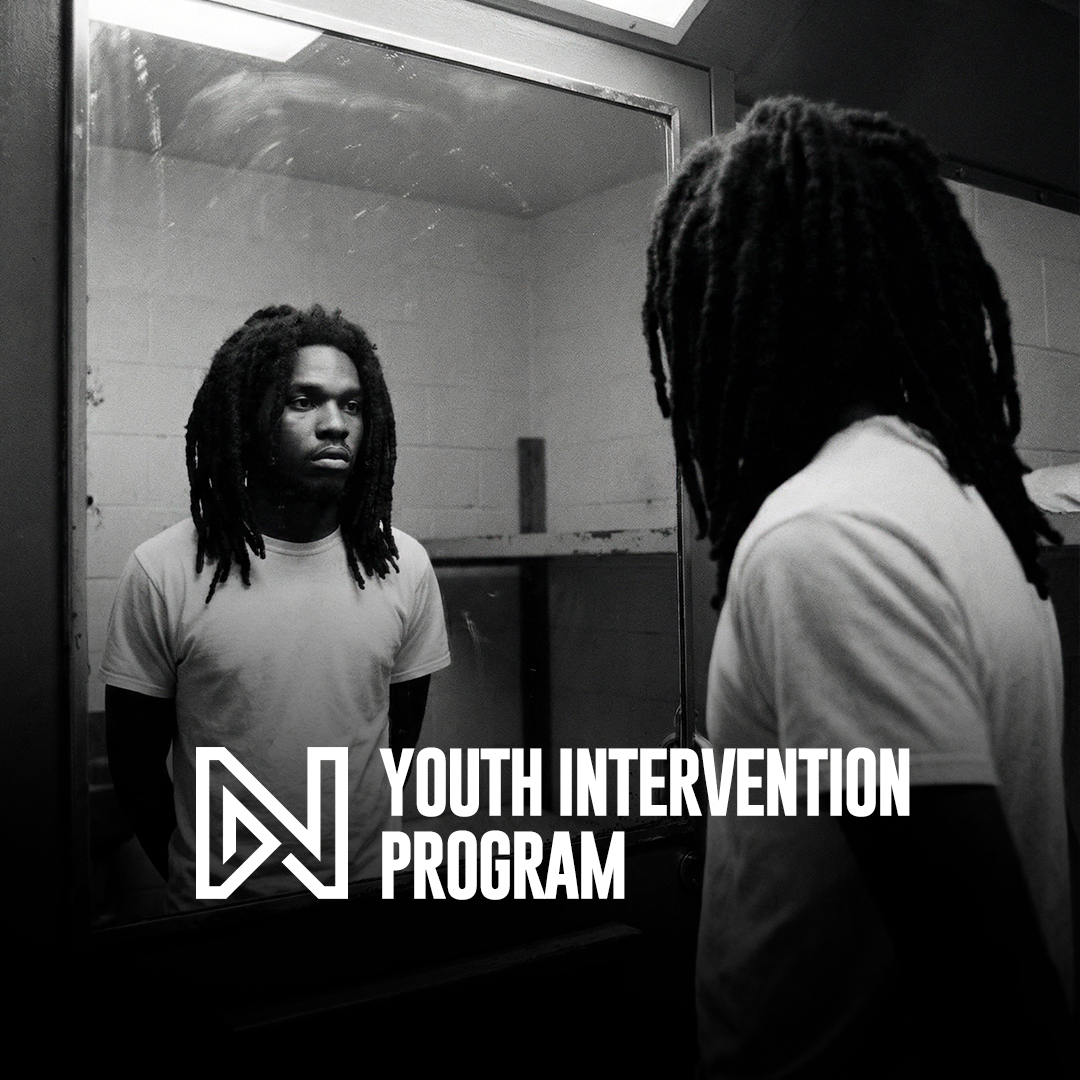
The 23-week core curriculum. It receives both gun-offender and general delinquency referrals, and it runs identically inside the facility, online, and at the Little Haiti center, so a young person who starts in custody does not start over when they are released.
Week by week
Tap any week.
Every week carries a stated objective and defined activities. That is what makes participation auditable, and what lets an officer see exactly where someone is.
Week 1
,
,
Six phases
The shape of the 23 weeks.
Establishing Identity & Purpose
Weeks 1–4, Identity and purpose · Forgiveness · Choices and peer influence · Adversity and violence awareness
Accountability & Emotional Regulation
Weeks 5–8, Personal accountability · Conflict resolution · Anger management · Integrity and ethical decision-making
Adversity & Healthy Habits
Weeks 9–12, Impact of adversity · Coping and stress management · Sexual health awareness · Substance use awareness
Responsibility & Career Pathways
Weeks 13–16, Life skills and future planning · Restorative justice · Personal development · Career and education pathways
Decision-Making & Peer Support
Weeks 17–19, Decision-making and emotional awareness · Interacting with authority · Mentorship and peer accountability
Family, Finance & Completion
Weeks 20–23, Family engagement · Financial literacy · Community service · Graduation preparation
Completion
What finishing actually means.
Completion is not attendance alone. A participant finishes when the record shows the work.
23 structured weeks
Sessions completed across any combination of the three tracks.
Reflection work
Written accountability work reviewed by a facilitator each phase.
Personal testimony
They write and deliver their own account of what changed.
Transition plan
A named mentor and a plan for the months after graduation.
Three ways to get into this course.
Referred by an officer, referred by a school or partner, or enrolled by a parent. Same curriculum, same hours, same mentor.